Life Unlocked
About Wellbeing, Live A Healthy Lifestyle




The Consistency Advantage: 30–40% Lower Mortality Risk
Systematic reviews examining physical activity trajectories across adulthood reveal profound longevity benefits. Pooled data analysis of studies tracking over 1 million participants demonstrates that consistently active individuals have approximately a 30–40% lower risk of death from any cause compared to sedentary counterparts, according to Yu et al. (2025). Remarkably, even those who increase their physical activity levels from below recommended thresholds still achieve 20–25% mortality risk reduction, confirming the adage that it is never too late to start moving.
These benefits extend beyond simple lifespan extension. Physical activity influences the cellular and molecular drivers of biological ageing itself, slowing ageing rates through mechanisms including mitochondrial enhancement, telomere preservation, reduced inflammation, and improved metabolic regulation. In essence, regular movement serves simultaneously as preventive medicine and therapeutic agent across virtually every physiological system.
Exercise Variety Matters: 19% Lower Mortality Through Diversity
The physiological rationale appears straightforward: different activities expose the body to complementary metabolic and neuromuscular demands (Schwendinger et al., 2025). Combining aerobic exercise (running, cycling, swimming) with resistance training (weightlifting, bodyweight exercises) with flexibility work (yoga, stretching) creates comprehensive adaptations that singular training modalities cannot replicate. Research confirms that individuals performing both aerobic and resistance training demonstrate superior gains in cardiovascular health, muscle function, bone density, and metabolic efficiency compared to those focusing exclusively on one domain.
Intensity Versus Volume: High-Intensity Activity Shows Particular Promise
For practical translation: moderate-intensity activities include brisk walking, recreational cycling, and light resistance training, whilst vigorous-intensity activities encompass running, high-intensity interval training, competitive sports, and heavy weightlifting. Current guidelines recommend 150–300 weekly minutes of moderate activity or 75–150 minutes of vigorous activity, but substantial additional benefits accrue at two to four times these levels, with 300–599 weekly minutes of moderate activity or 150–299 minutes of vigorous activity associated with 26–42% mortality risk reduction.
The Remote Work Physical Activity Challenge
Remote workers face unique movement barriers: elimination of active commuting, reduced incidental movement throughout workdays, blurred boundaries between work and personal time, and social isolation that diminishes motivation for group activities. Systematic reviews confirm that sedentary behaviour associates with increased risks of obesity, cardiovascular disease, type 2 diabetes, certain cancers, and all-cause mortality, independent of dedicated exercise participation. In other words, even individuals meeting exercise guidelines may incur health penalties from prolonged sitting during working hours.
Addressing this requires intentional movement integration: standing or walking during phone calls, scheduled movement breaks every 30–60 minutes, lunchtime walks or workouts, and deliberate separation of workspace from living space to facilitate transitions. Human health psychologists and fitness coaches prove invaluable here, providing accountability, environmental modification strategies, and psychological support for embedding movement into demanding professional lives.
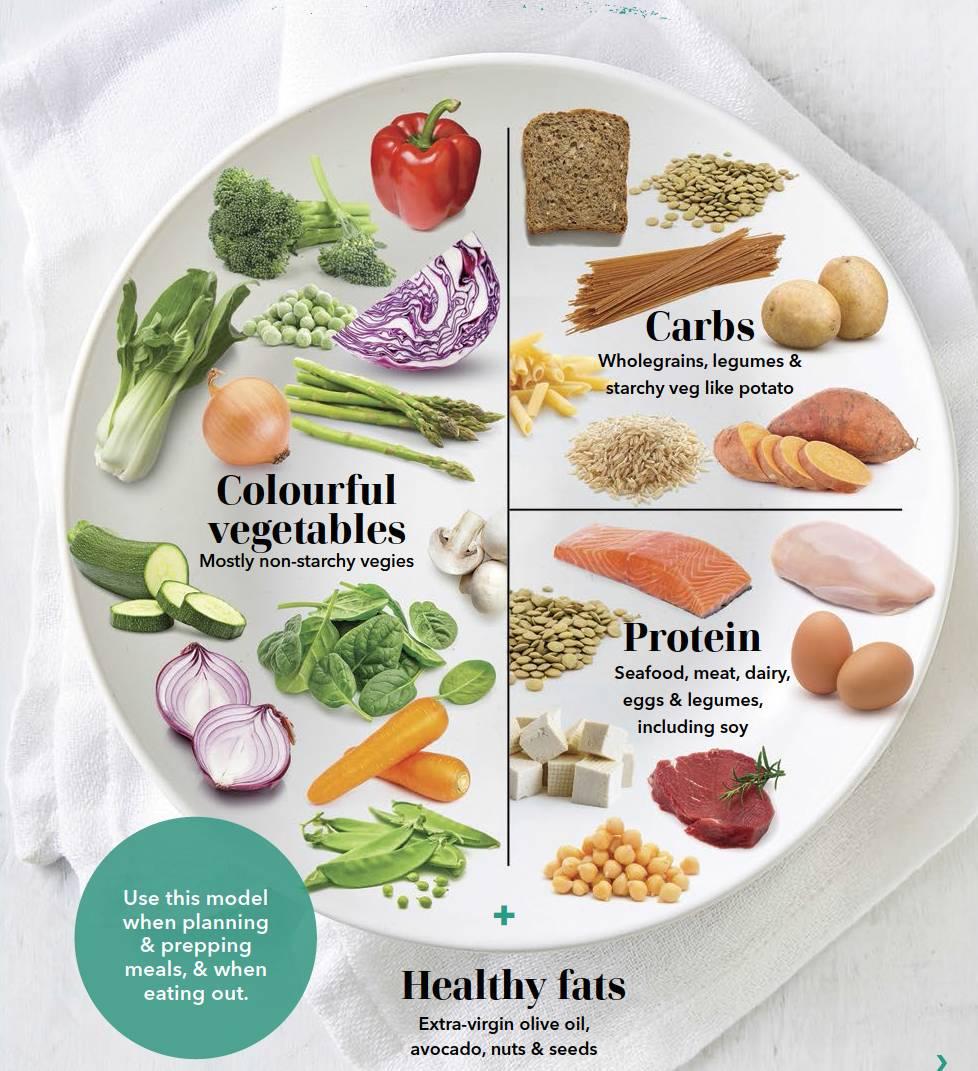
Defining Ultra-Processed Foods
Ultra-processed foods (UPFs) constitute industrially manufactured products derived from refined ingredients and containing extensive additives, including preservatives, emulsifiers, artificial colours, flavour enhancers, and sweeteners. Common examples include sugar-sweetened beverages, packaged snacks (crisps, biscuits), ready meals, instant soups, processed meats, confectionery, and commercial baked goods. These products typically exhibit high energy density, hyperpalatability engineered to override satiety signals, soft textures requiring minimal chewing, disrupted food matrices, and gross nutrient imbalances characterised by excessive sugar, unhealthy fats, and sodium alongside deficient fibre, protein, and protective phytochemicals.
The Global Rise and Health Impact
Disease-specific findings reveal equally concerning patterns. Comprehensive analysis of over 8 million adults found that each additional 100 grams daily ultra-processed food consumption was associated with:
- 14.5% higher hypertension risk
- 5.9% increased cardiovascular event risk
- 1.2% increased cancer risk
- 19.5% higher digestive disease risk
- 2.6% higher all-cause mortality risk
A landmark 2024 umbrella review synthesising 45 meta-analyses covering nearly 10 million participants identified “convincing” evidence that high ultra-processed food diets increase cardiovascular disease death risk by 50% and anxiety risk by 48%, alongside “highly suggestive” evidence for 66% increased heart disease mortality, 55% higher obesity risk, 41% elevated sleep disorder risk, 40% increased type 2 diabetes risk, 21% higher early death risk, and 20% elevated depression risk (Stanford Medicine, 2025).